
Why Subaru Certified Collision Repair Matters After an Accident for True OEM Fitment
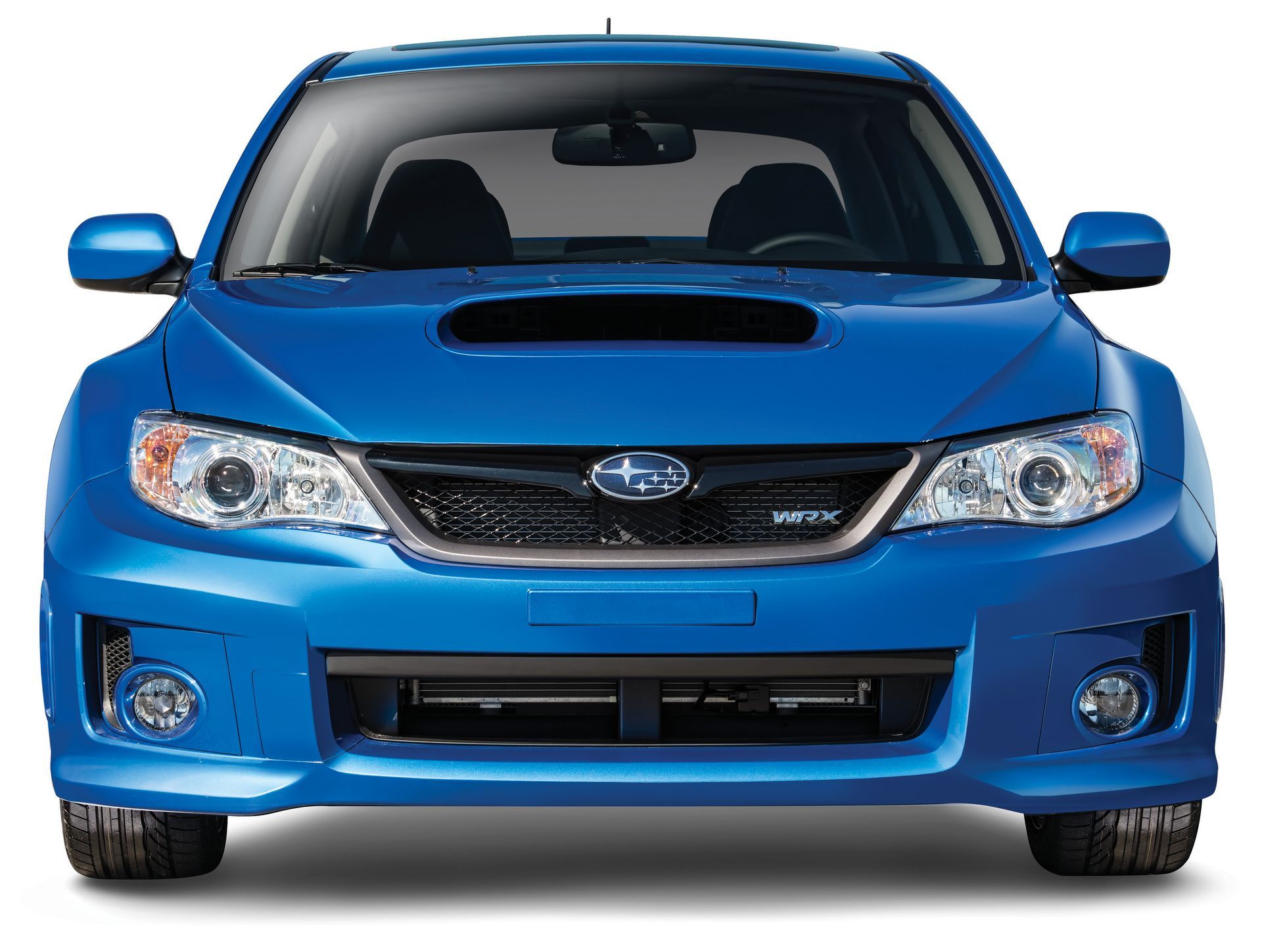
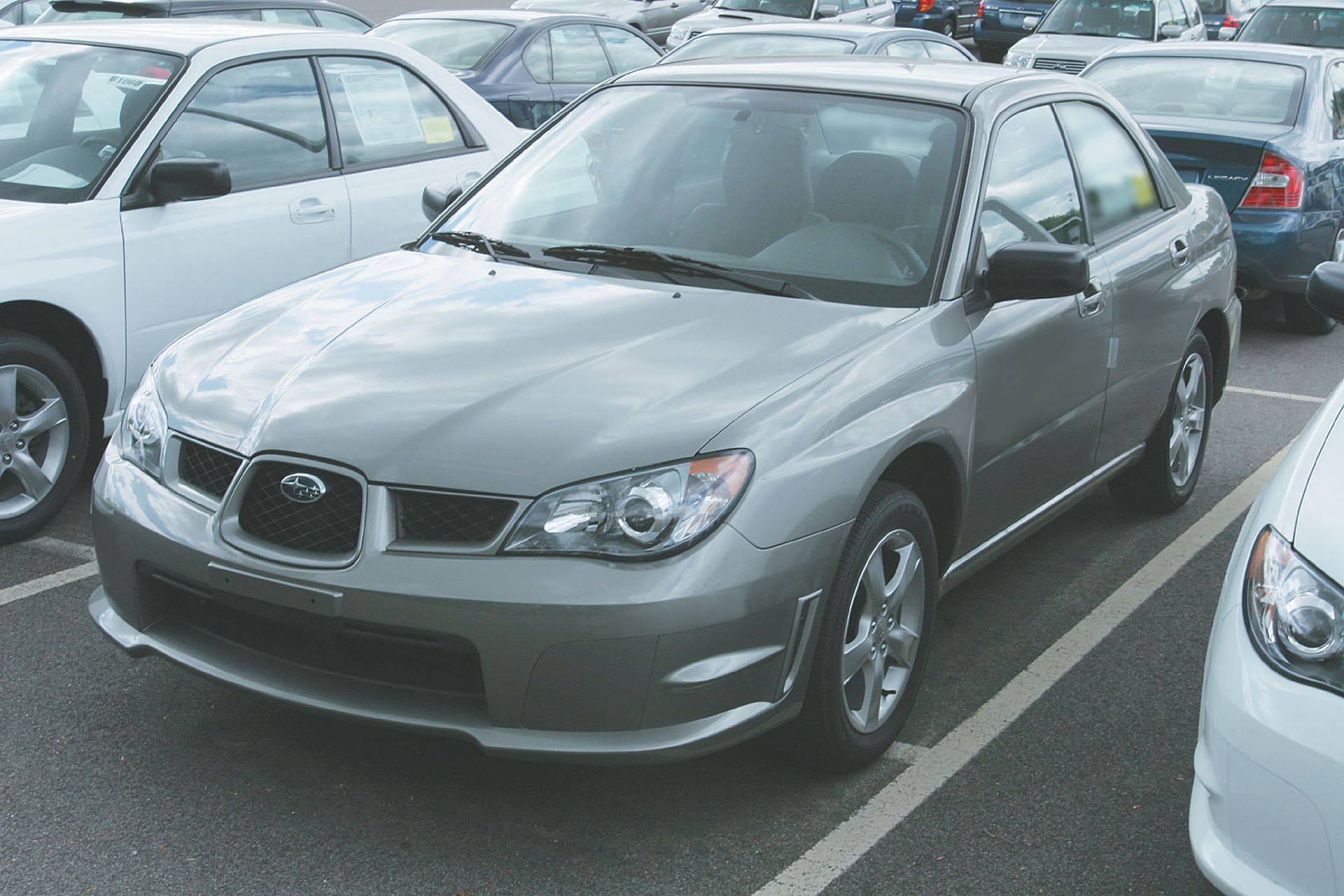
After an accident, repairing a Subaru involves much more than replacing damaged panels and restoring the vehicle's appearance. Collision damage can affect structural components, safety features, sensors, trim, and other parts that may not be immediately visible. Because Subaru vehicles are built according to specific engineering and manufacturing standards, repairs should account for those specifications. Choosing a facility familiar with the brand can help ensure that the vehicle receives appropriate attention throughout the repair process. Proper fitment is especially important because even minor differences in alignment can affect appearance, operation, and the way components interact. For Subaru owners, Subaru certified collision repair provides an approach centered on manufacturer-specific repair procedures and vehicle requirements. According to Mordor Intelligence, passenger cars accounted for 73.14% of the North American automotive collision repair market in 2024, while commercial vehicles are projected to experience the highest CAGR at 3.34% through 2030. Understanding the benefits of specialized collision repair can help Subaru owners make informed choices after an accident.
Maintaining Subaru Factory Specifications
Subaru vehicles are manufactured with precise dimensions and component relationships that contribute to their overall performance and appearance. A collision can change those measurements even when the visible damage seems relatively minor. Technicians need to evaluate more than the exterior panels when determining the full extent of an accident. Subaru-specific repair information can help guide decisions involving structural components, replacement parts, measurements, and installation procedures. With Subaru certified collision repair, technicians can follow procedures designed around the requirements of Subaru vehicles. This attention to manufacturer specifications can help preserve the intended relationship between different components. It can also reduce the possibility of overlooking damage hidden behind exterior panels. Following appropriate repair procedures gives owners a more comprehensive approach to restoring their vehicle after an accident.
Achieving Precise Panel Alignment
Proper panel alignment is an important part of restoring a vehicle after collision damage. Doors, fenders, hoods, bumpers, and liftgates should sit correctly in relation to the surrounding body panels. Uneven gaps or misaligned components can make a repaired vehicle look noticeably different from its original condition. Incorrect alignment may also cause panels to rub against one another or prevent doors and other components from operating properly. Subaru-specific measurements and installation procedures can help technicians address these concerns during the repair process. With Subaru-certified collision repair, attention is given to the details that influence how replacement panels fit with existing components. Careful alignment can help create consistent gaps and a more factory-like appearance. This level of precision is one reason manufacturer-focused repair can matter after even a seemingly straightforward collision.
Protecting Advanced Safety Features
Today's Subaru models can contain a variety of electronic and safety-related technologies throughout the vehicle. A collision may affect cameras, sensors, wiring, control modules, or other components depending on where the impact occurred. Some of these systems may require inspection or calibration after body repairs have been completed. Simply replacing a damaged bumper or panel may not address components located behind or near the affected area. Technicians must consider how collision damage and subsequent repairs could influence these systems. Subaru certified collision repair can include attention to manufacturer procedures involving safety-related components and calibration requirements. Properly addressing these features can help ensure that repaired systems are evaluated before the vehicle is returned to service. A comprehensive repair process should therefore consider both visible body damage and the technology supporting the vehicle.
Selecting Proper Replacement Parts
The parts used during collision repairs can influence both fitment and the finished appearance of a Subaru. Replacement components need to match the vehicle's dimensions, mounting points, materials, and other specifications. Original equipment manufacturer parts are designed for particular vehicle applications and can provide a direct option when restoring damaged areas. Technicians also need to determine which components can be repaired and which should be replaced. Using appropriate parts can help minimize fitment problems during the final stages of the repair. Subaru certified collision repair places greater emphasis on following manufacturer-specific requirements when addressing damaged components. Discussing parts choices with the repair facility can help owners understand what will be installed on their vehicle. A careful approach to replacement parts can contribute to a restoration that more closely reflects the vehicle's original configuration.
Restoring Structural Alignment
Not all collision damage can be identified by examining the exterior of a vehicle. An impact can affect structural areas behind damaged panels, even when those components are not visibly distorted. Accurate measurements and appropriate repair equipment are important when determining whether structural areas remain within required specifications. Technicians need to evaluate the vehicle carefully before deciding how structural damage should be corrected. Manufacturer repair information can provide guidance for addressing specific areas of a Subaru's structure. Subaru certified collision repair can incorporate these procedures when evaluating and restoring collision-related structural damage. Proper structural alignment also provides a foundation for installing exterior panels and related components correctly. Addressing the underlying structure is therefore an essential part of comprehensive collision restoration when an accident has affected the vehicle's framework.
Matching the Original Paint Finish
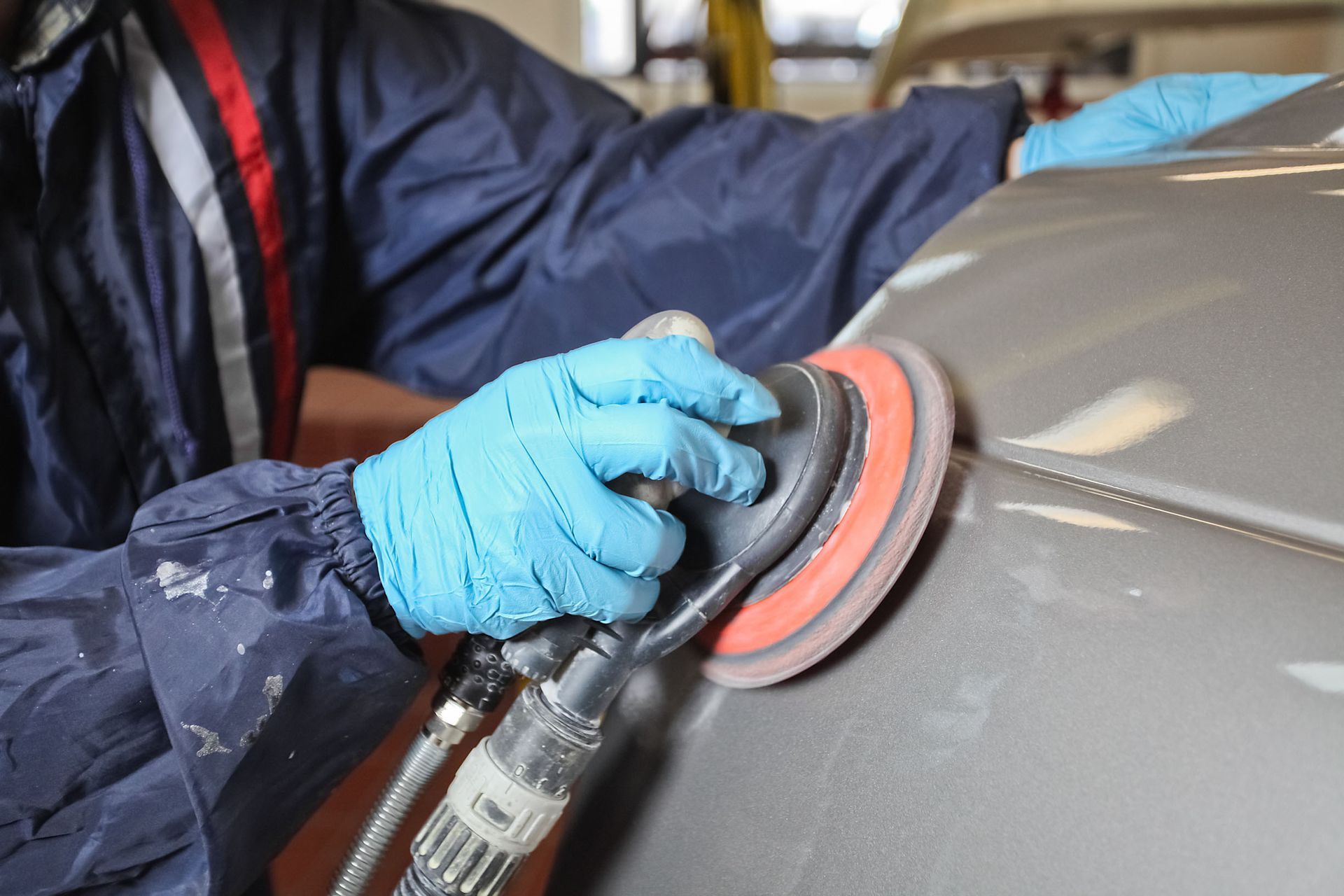
Restoring a Subaru after an accident also involves making repaired areas blend naturally with the rest of the vehicle. Differences in color, gloss, texture, or application can make a repaired panel stand out from surrounding areas. Achieving a consistent finish requires careful preparation and attention to the vehicle's existing paint characteristics. Technicians may need to blend paint into adjacent panels so the transition is less noticeable. Proper surface preparation is also important for achieving an even and durable finish. Subaru certified collision repair can combine careful body restoration with detailed refinishing procedures to address both appearance and fitment. The goal is not simply to cover repaired areas but to create a cohesive finish across the affected section of the vehicle. Attention to paint matching can make a significant difference in the final appearance of a completed collision repair.
Following Thorough Repair Procedures
Collision repair typically involves several stages that need to work together from the initial inspection through the final quality check. Technicians may need to identify hidden damage, order replacement components, perform structural repairs, refinish panels, and inspect completed work. Skipping or rushing any part of this process can create problems that may not become apparent until later. A detailed repair plan helps ensure that each affected area receives appropriate attention. Subaru certified collision repair emphasizes manufacturer-specific procedures that can guide technicians through important stages of the restoration. Clear communication can also help vehicle owners understand what work is being performed and why certain components require attention. Documentation of repairs can provide useful information about the vehicle's post-accident history. A methodical process helps bring together structural, functional, and cosmetic aspects of the repair.
Choosing Specialized Collision Expertise
Selecting a collision repair facility is an important consideration for Subaru owners after an accident. The facility should have the equipment, training, information, and experience necessary to address the specific requirements of the vehicle. Owners can ask about technician qualifications, repair procedures, replacement parts, structural measurements, paint matching, and safety-system calibration. These questions can provide a clearer understanding of how the facility approaches Subaru collision repairs. Subaru certified collision repair can be particularly relevant for owners who want their vehicle evaluated and restored according to brand-specific requirements. The right repair process should address both obvious damage and potential problems hidden beneath the surface.
North Smithfield Auto Body Inc provides collision repair services for vehicle owners seeking professional attention following an accident. Contact us to discuss your Subaru's damage and learn how its collision repair team can help restore your vehicle's fit, finish, and function.

Share On: