

Common Causes of Auto Collisions
Operating a motor vehicle requires continuous focus, rapid decision-making, and constant awareness of dynamic road environments. Despite ongoing advances in automotive safety engineering and highway design, vehicular impacts remain a widespread concern for motorists across suburban thoroughfares, rural highways, and congested city streets. Understanding the primary factors that contribute to roadway incidents allows drivers to adopt defensive habits, reduce personal risks, and maintain safer travel conditions for everyone sharing the road.
When unexpected incidents occur on roadways, restoring structural integrity and aesthetic appearance becomes an essential priority for vehicle owners. Seeking professional auto collision repairs ensures that damaged framing, bent body panels, and misaligned mechanical systems are restored according to original manufacturer specifications. Exploring the common circumstances behind roadway accidents highlights the critical importance of defensive driving while emphasizing the necessity of expert restorative care following an unexpected crash.
Proactive hazard recognition empowers drivers to anticipate dangerous scenarios before they fully materialize. By examining environmental variables, driver behaviors, and mechanical factors, motorists can cultivate heightened situational awareness. This comprehensive understanding transforms routine driving into a vigilant, protective habit that safeguards passengers, pedestrians, and surrounding property.
Navigating the Hazards of Distracted Driving
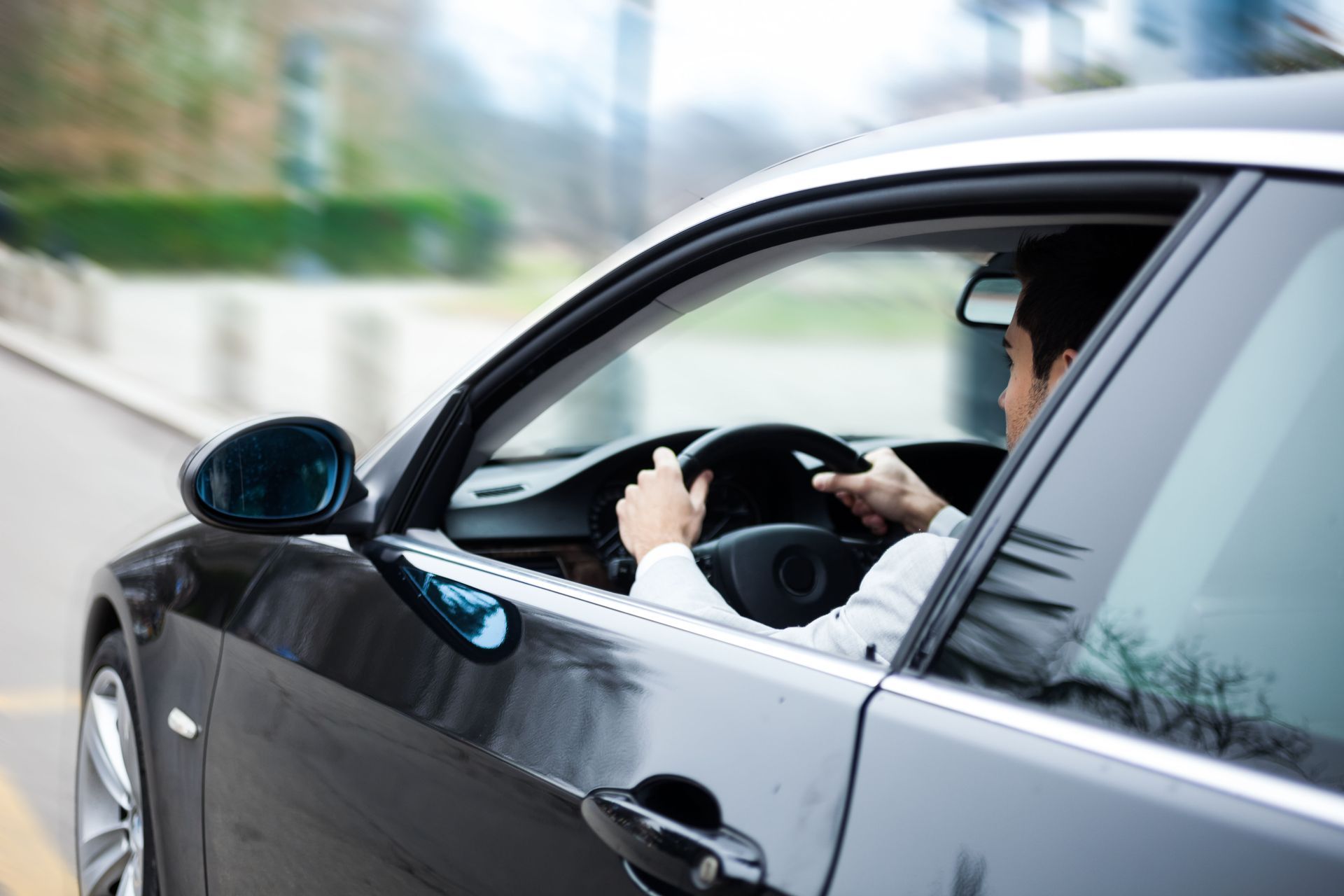
Inattention during vehicle operation stands as a leading contributor to unexpected highway incidents. Drivers who divert their visual, manual, or cognitive attention away from the surrounding roadway dramatically reduce their ability to react to sudden hazard developments. Common distractions include utilizing mobile communication devices, adjusting dashboard infotainment displays, eating while driving, or engaging in intense conversations with passengers.
Even brief moments of diverted focus can cause a moving vehicle to travel significant distances without proper driver oversight. When unexpected traffic deceleration occurs ahead, a distracted operator may fail to initiate braking maneuvers in time to avoid impact. Following such events, specialized auto collision repairs become necessary to realign crushed bumpers, repair damaged radiators, and replace shattered headlight assemblies.
Mitigating inattention requires a conscious commitment to keeping eyes on the road and hands on the steering wheel at all times. Utilizing hands-free settings, setting navigation routes prior to departing, and storing mobile devices out of reach help preserve essential situational awareness during every journey. Disciplined focus remains the most effective defense against sudden roadway surprises.
Establishing personalized rules, such as silencing phone notifications during commutes or setting GPS destinations prior to turning ignition keys, minimizes temptation. Consistent habits protect driver focus during critical travel moments.
Understanding the Impacts of Adverse Weather
Environmental conditions frequently alter road surface friction and visibility, creating challenging driving environments for even seasoned motorists. Heavy rainfall, winter ice accumulation, dense fog, and strong crosswinds significantly compromise tire traction and vehicle handling characteristics. Failure to adjust driving techniques to match atmospheric hazards dramatically increases the likelihood of losing control on slippery pavement.
During severe rainstorms, water accumulation can cause tires to hydroplane across road surfaces, rendering steering input and braking systems temporarily ineffective. Vehicles involved in weather-related slides often strike guardrails, embankment barriers, or neighboring vehicles, resulting in extensive side panel crumpling and frame distortion that demands comprehensive auto collision repairs. Proper restorative craftsmanship remedies these structural compromises and ensures that safety sensors function accurately.
Adapting driving habits during poor weather involves reducing travel velocity, expanding following distances behind lead vehicles, and verifying that windshield wipers and tire treads remain in optimal working condition prior to traveling. Taking extra precautions during inclement conditions significantly reduces weather-related mishaps.
Recognizing the Dangers of Excessive Speeding
Velocity plays a double role in roadway safety by decreasing reaction time while exponentially increasing the physical kinetic energy involved in an impact. Operating a motor vehicle above posted speed limits or driving too fast for prevailing traffic conditions severely restricts a driver's capability to maneuver safely around sudden obstacles or unexpected road debris.
Higher travel velocities extend total stopping distances significantly, making avoidance maneuvers nearly impossible when forward traffic halts unexpectedly. When high-velocity impacts take place, structural damage tends to be severe and widespread across front and rear vehicle zones. Qualified auto collision repairs address deeply crumpled unibody frames, misaligned suspension geometry, and buckled quarter panels to restore structural crashworthiness.
Adhering to posted speed parameters and adjusting velocity when approaching sharp curves, highway merge zones, or congested urban corridors safeguards vehicle occupants and minimizes the severity of potential impacts. Respecting speed guidelines keeps roads predictable and manageable for all operators.
Evaluating the Risks of Impaired Operation
Operating motor vehicles under the influence of alcohol, controlled substances, or severe physical fatigue severely impairs fundamental cognitive functions required for safe navigation. Impairment degrades spatial perception, slows physical reflexes, impairs depth judgment, and leads to poor decision-making behind the wheel.
According to Wired, advanced safety systems like AEB, which detect potential collisions and automatically apply brakes, prevented 42,000 crashes and 20,000 injuries in 2025. While modern technological aids provide valuable safety support, driver sobriety and alertness remain irreplaceable foundations for roadway safety. Vehicles damaged due to impaired lane drift often require complex auto collision repairs to mend crushed side doors, realign steering columns, and repaint scratched exterior surfaces.
Preventing impairment-related incidents requires pre-planning alternative transportation methods, utilizing rideshare services, or designating sober drivers before attending social gatherings where alcohol consumption may occur. Prioritizing clear judgment ensures safe passage for everyone on the road.
Addressing the Threats of Tailgating Behaviors
Maintaining insufficient spacing behind preceding vehicles severely reduces the buffer zone necessary to stop safely during sudden emergencies. Tailgating leaves virtually no room for driver reaction time when forward traffic decelerates abruptly due to road hazards, traffic congestion, or sudden emergency braking.
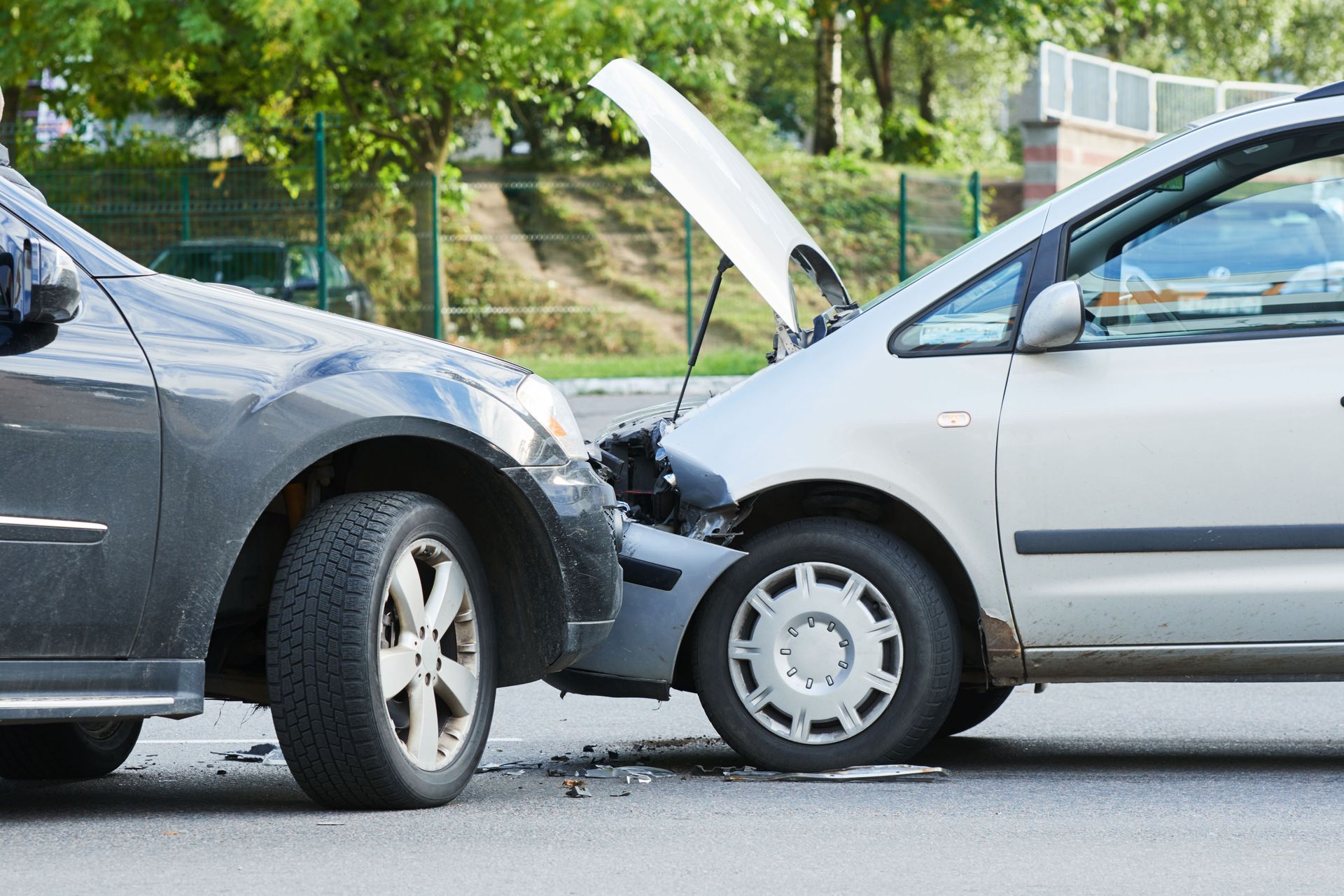
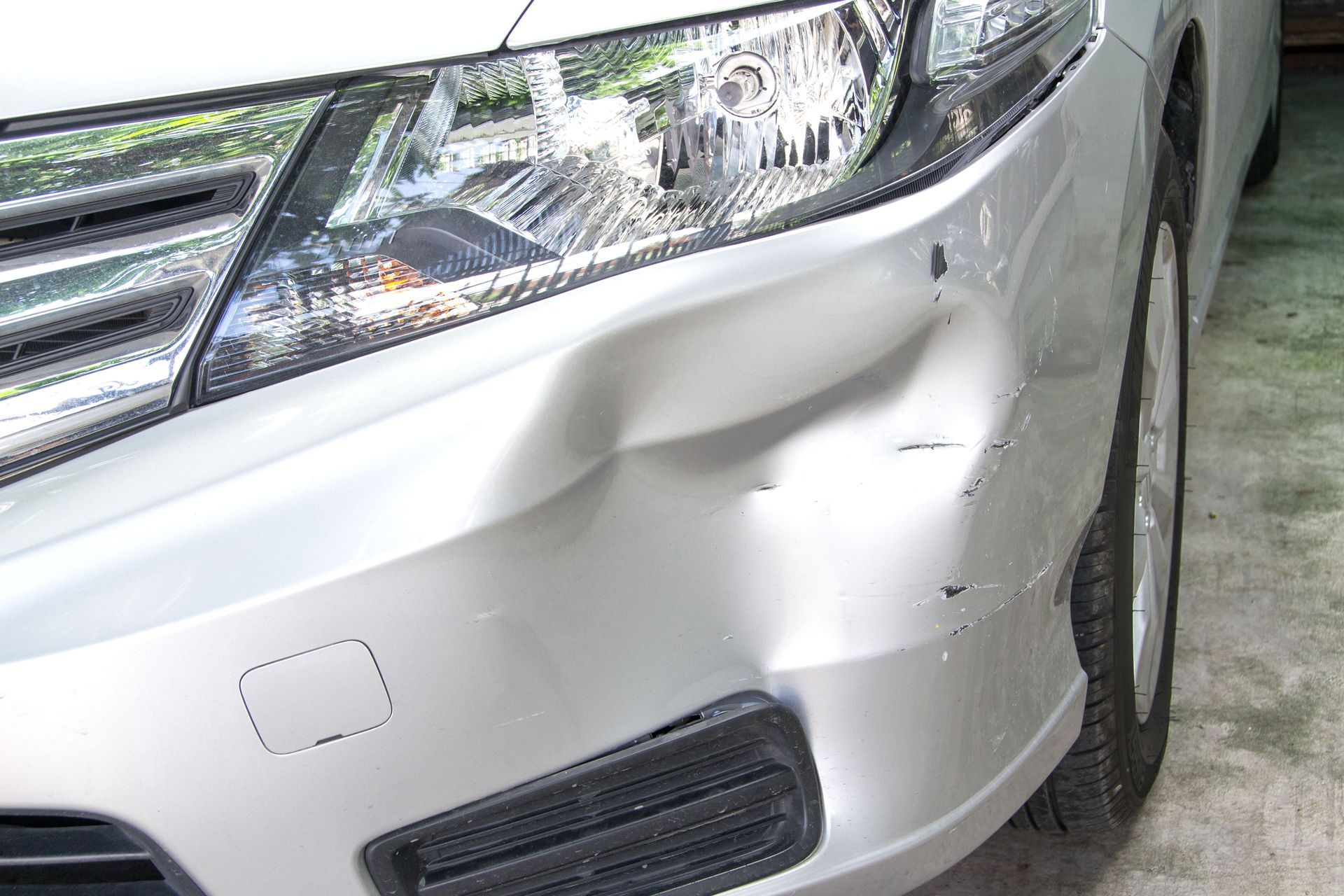
Rear-end impacts represent a major percentage of urban roadway incidents directly tied to aggressive following distances. When trailing vehicles collide with forward bumpers, front-end crumple zones absorb significant impact forces to protect the interior cabin occupants. Professional auto collision repairs fix bent hood latches, replace cracked bumper covers, and recalibrate forward-facing radar systems damaged in rear-end collisions.
Applying the standard cushion rule by leaving ample distance between your bumper and forward vehicles creates an essential safety buffer, providing adequate space to brake smoothly and avoid chain-reaction crashes. Generous spacing provides precious extra seconds to react calmly under pressure.
Managing the Pitfalls of Intersection Navigation
Intersections represent complex roadway environments where multiple traffic lanes, pedestrian crossings, turning vehicles, and signal systems converge. Incidents frequently occur at these junction points due to drivers running red lights, failing to yield the right of way, or misjudging the speed of oncoming traffic while making left-hand turns.
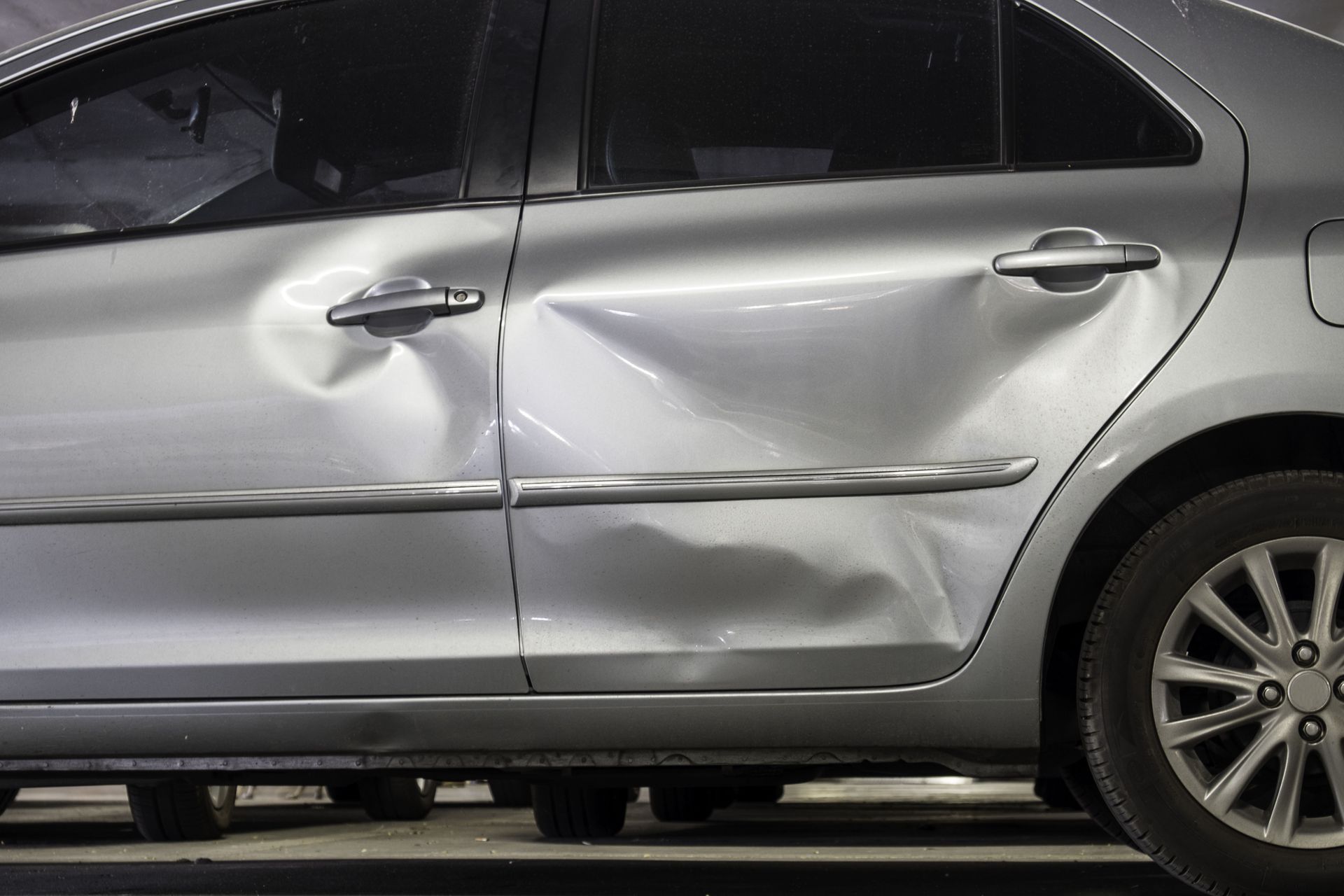
Side-impact crashes occurring at intersection junctions often produce localized damage to vehicle doors, center pillars, and side rocker panels. Completing detailed auto collision repairs after an intersection broadside collision involves pulling structural pillars back to factory tolerances, replacing side impact airbags, and fitting new door assemblies to preserve cabin safety.
Approaching intersection junctions with heightened caution, scanning cross-traffic thoroughly before proceeding on green signals, and yielding right of way appropriately prevents dangerous broadside impacts and keeps traffic flowing smoothly. Careful observation turns busy junctions into manageable transition points.
Navigating modern roadways involves managing various inherent hazards, from distracted driving and adverse weather to excessive velocity and intersection complexities. Adopting defensive driving habits, maintaining safe following distances, and remaining fully vigilant behind the wheel significantly reduces the likelihood of experiencing a vehicle crash.
If you are ready for professional vehicle restoration following an unexpected crash, contact us at North Smithfield Auto Body Inc today. We will help you restore your vehicle to flawless condition with expert craftsmanship and dedicated service.


Share On: