

How a Collision Can Affect Your Car's Safety Systems Without Obvious Warning Signs
A vehicle can look fine after a collision while hiding damage that affects its ability to protect passengers. Modern cars rely on interconnected safety systems, including airbags, seat belts, cameras, sensors, and electronic controls, to help prevent accidents and reduce injuries. Even a minor impact can interfere with these components without leaving obvious exterior damage. Understanding how collisions affect these systems explains why professional inspections matter after an accident. Quality auto collision repairs address visible damage while also considering the systems that contribute to vehicle safety.
According to Schaar & Silva, distracted driving is the leading cause of hazardous road conditions, noting that behind-the-wheel phone use spikes crash rates by 23%. Because distractions can contribute to unexpected impacts, drivers should understand why certain problems require attention even when a vehicle remains drivable.
Recognizing Hidden Safety System Damage
Understanding Damage Beneath Exterior Panels
Bumpers, fenders, and body panels absorb or transfer forces during an impact. Although exterior components may show only small dents or scratches, the structures behind them can sustain damage. Mounting brackets, wiring connections, and impact-absorbing materials may shift or break without obvious visual clues.
A bumper that appears nearly intact, for example, may conceal damage to sensor mounts or internal supports. Professional auto collision repairs include assessing affected areas to identify problems that ordinary visual checks might miss.
Identifying Changes in Vehicle Behavior
Some safety-related damage becomes noticeable through changes in vehicle behavior. Drivers might observe dashboard alerts, inconsistent parking assistance, unusual steering, or warning messages after an impact. However, the absence of these symptoms does not guarantee that every system remains functional.
Drivers should arrange an inspection when damage is suspected. If the vehicle has fluid leaks, significant structural damage, or compromised steering or braking, it should not be driven until its safety has been assessed.
Evaluating Airbag and Seat Belt Systems
Checking Airbag Sensors and Components
Airbag systems use sensors and electronic control units to determine when deployment may be necessary. A collision can affect sensors, wiring, mounting locations, or related components. Damage may interfere with the system's ability to detect a future crash correctly, even when the airbags did not deploy during the original incident.
An airbag warning light may indicate a problem, but some damage requires diagnostic testing to identify. Technicians can inspect relevant components and use appropriate equipment to evaluate the system. Proper auto collision repairs should follow manufacturer procedures for inspecting and restoring airbag functionality.
Inspecting Seat Belts and Restraint Mechanisms
Seat belts protect occupants by restraining them during sudden deceleration. A collision can place substantial force on belt webbing, retractors, buckles, and pretensioners, which tighten the belt in certain crash conditions. Some components may require replacement after an impact, even if they appear undamaged.
Frayed webbing, damaged buckles, unusual retraction, or a belt that fails to latch properly are reasons to seek professional attention. Technicians can determine whether components need inspection or replacement so that damaged restraint equipment does not remain an overlooked safety concern.
Inspecting Advanced Driver Assistance Technology
Assessing Cameras and Radar Sensors
Many modern vehicles use advanced driver assistance systems, or ADAS, to support features such as automatic emergency braking, adaptive cruise control, lane departure warnings, and blind spot monitoring. These systems may rely on cameras near the windshield, radar sensors behind bumpers or grilles, and other detection equipment.
A collision can shift a sensor, damage its bracket, interrupt wiring, or alter its detection angle. Even a small alignment change may affect how accurately the system identifies nearby objects. Drivers should not assume these features work correctly simply because no warning appears. A qualified inspection can determine whether diagnostic checks or recalibration are needed.
Calibrating Systems After Repairs
When a collision affects cameras, radar units, windshields, bumpers, or sensor mounting points, certain driver assistance systems may require calibration. This process aligns equipment with vehicle specifications so it can interpret its surroundings correctly. Depending on the vehicle, calibration may require specialized targets, diagnostic equipment, or a prescribed road procedure.
Repair professionals should consult the manufacturer's guidance to determine which procedures are necessary. Thorough auto collision repairs account for these requirements rather than treating electronic safety features as separate from bodywork.
Examining Braking and Steering Components
Checking Braking System Performance
A collision involving the front end, wheels, or undercarriage can affect braking components, hydraulic lines, wheel speed sensors, or anti-lock braking system wiring. The vehicle may continue to move normally even when a damaged component reduces the effectiveness of a safety feature.
Drivers should take symptoms such as a soft brake pedal, fluid leaks, grinding sounds, or unexpected braking behavior seriously. If braking performance appears compromised, the vehicle should not be driven until inspected. Technicians can determine whether repairs, replacements, or diagnostic procedures are necessary.
Evaluating Steering and Wheel Alignment
Impacts involving a wheel, curb, or front suspension can affect steering and alignment even when body damage is limited. Bent suspension components or damaged steering linkages may cause the vehicle to pull to one side, vibrate, or respond differently when turning.
A professional inspection can identify damage that is not immediately visible. Technicians may check suspension components, steering connections, and wheel alignment based on the collision's location and severity. Addressing these issues with auto collision repairs helps preserve vehicle control during everyday driving and emergency maneuvers.
Understanding Electrical and Warning System Problems
Inspecting Wiring and Electronic Connections
Modern vehicles depend on electrical networks connecting sensors, control modules, lighting, restraints, and other safety equipment. An impact can pinch wiring, loosen connectors, or interrupt communication between components. These problems may cause intermittent faults that are difficult to identify through a basic visual inspection.
Technicians can use diagnostic scans and targeted inspections to investigate electronic faults. Depending on the findings, repairs may involve restoring connections, replacing damaged wiring, or addressing affected modules. Following manufacturer procedures helps identify underlying problems rather than simply clearing warning messages.
Responding to Dashboard Warning Lights
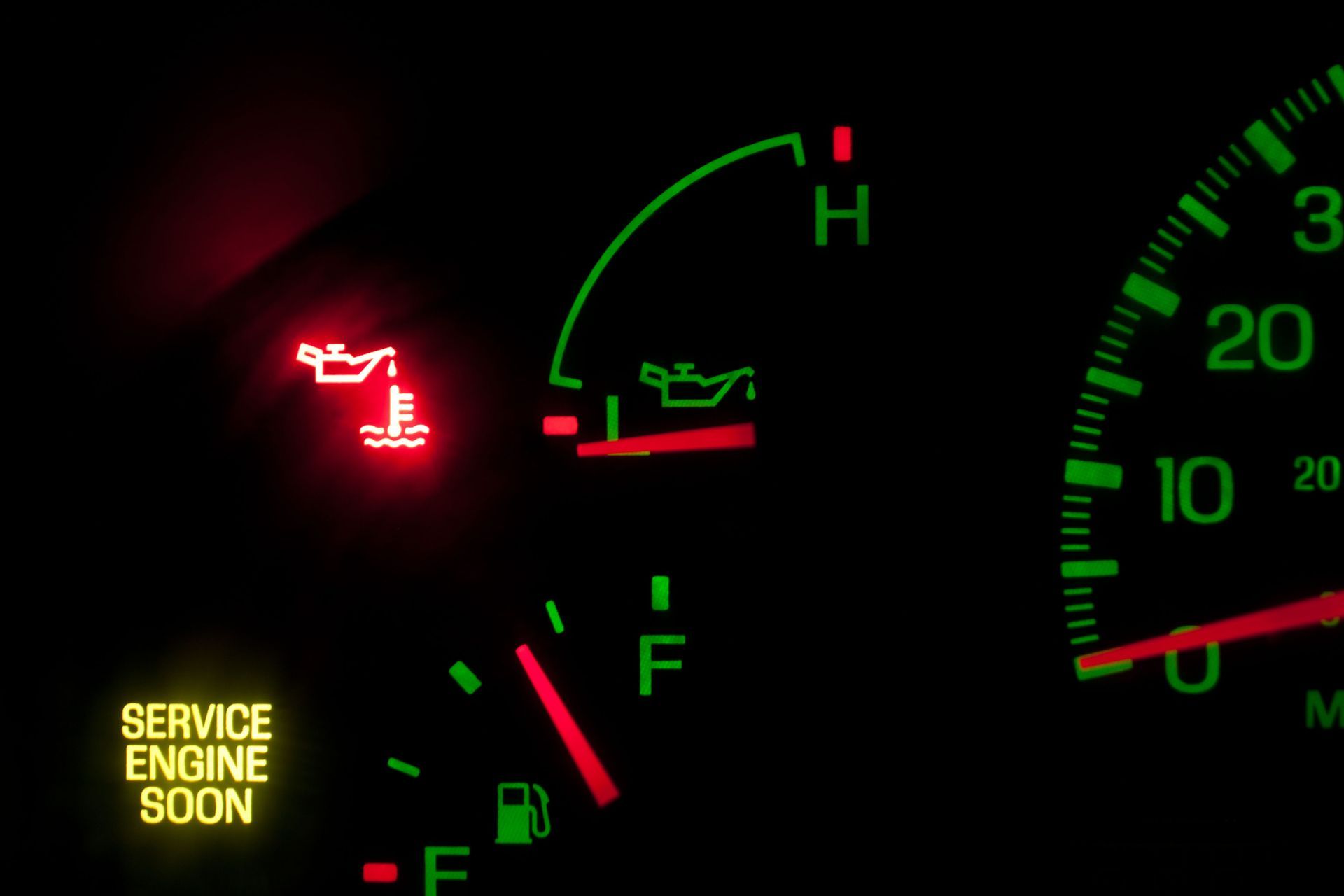
Dashboard alerts can indicate problems involving airbags, braking systems, tire pressure monitoring, or driver assistance technology. A warning light that appears after an accident should not be dismissed simply because the vehicle still runs. Likewise, a dashboard without alerts cannot confirm that every safety component is functioning correctly.
Drivers should report warning indicators to the repair professional. Diagnostic testing can identify stored fault codes and determine which systems need further examination. Addressing these alerts helps prevent unresolved faults from being overlooked.
Choosing a Thorough Collision Repair Process
Requesting a Complete Safety Inspection
After an accident, drivers should explain how the collision occurred and mention unusual noises, warning lights, or changes in vehicle behavior. This information helps technicians determine which components require closer examination. Depending on the impact, an inspection may include structural measurements, electronic diagnostics, restraint system checks, and evaluations of steering, braking, or driver assistance features.
Not every collision requires the same auto collision repairs. The inspection should reflect manufacturer recommendations and the damage found. A detailed assessment can also reveal additional work that was not apparent in the initial estimate.
Verifying Repairs Before Returning to the Road
Before a repaired vehicle is returned to its owner, the completed work should be checked against the repair plan and applicable manufacturer procedures. This may include confirming correct component installation, addressing warning indicators, checking system operation, and completing required calibrations. Documentation helps owners understand what was done.
Drivers should ask about remaining warnings, recommended follow-up procedures, and the operation of repaired safety features. Appropriate testing helps ensure that auto collision repairs address more than cosmetic damage and support the vehicle's intended safety functions.
Restoring Your Vehicle's Safety and Confidence
Hidden collision damage can affect airbags, seat belts, sensors, braking components, steering systems, and other essential features. Because some problems produce few visible symptoms, an apparently minor accident should not determine whether a vehicle is safe. Professional assessment and appropriate diagnostic testing help identify concerns before they are overlooked.
If your vehicle has been involved in a collision, contact North Smithfield Auto Body Inc to discuss the damage and arrange professional repair assistance. Evaluating both visible damage and affected safety systems can help you make informed decisions and return to the road with greater confidence.



Share On: