
Restoring Your Subaru to Like New Condition After a Collision
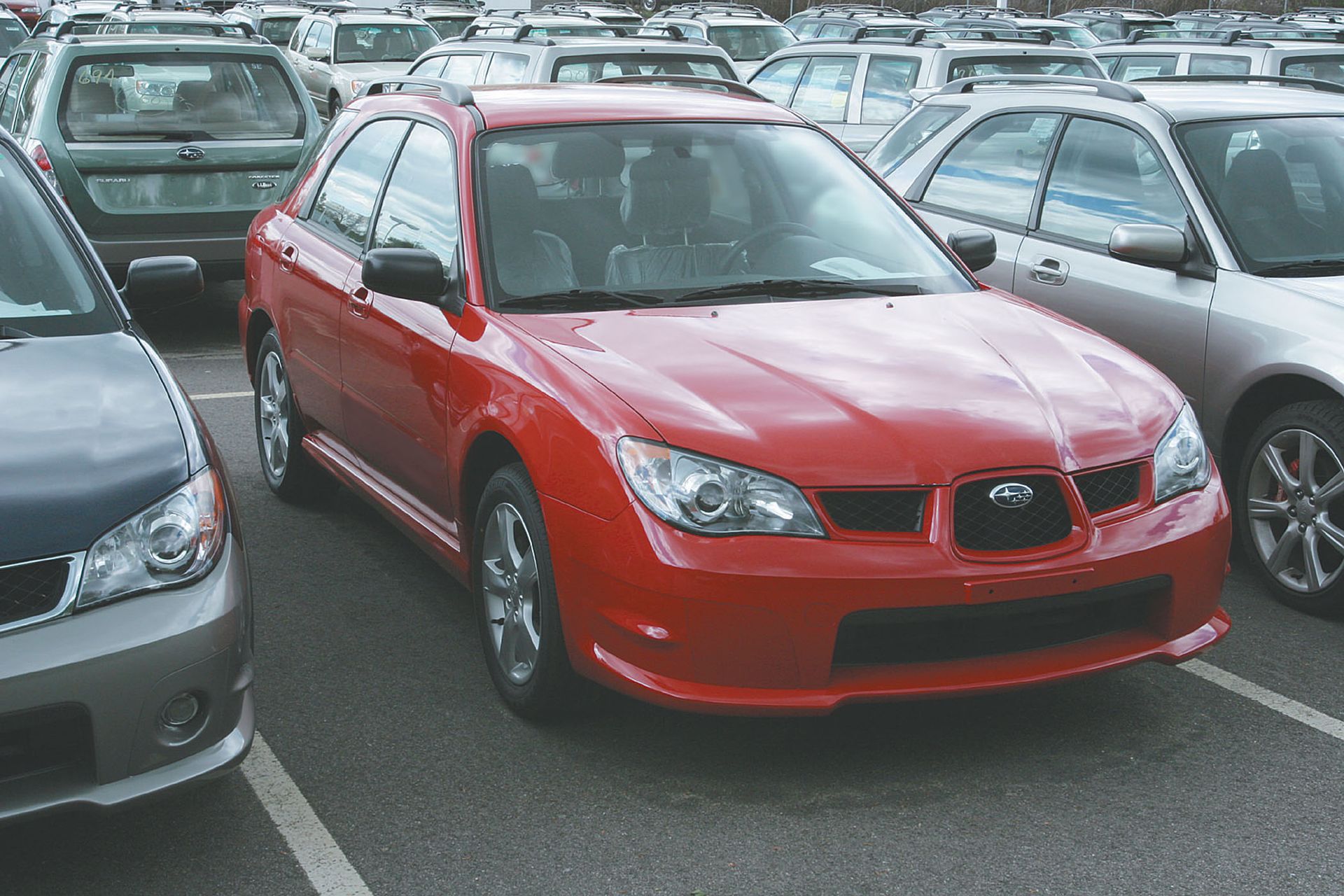
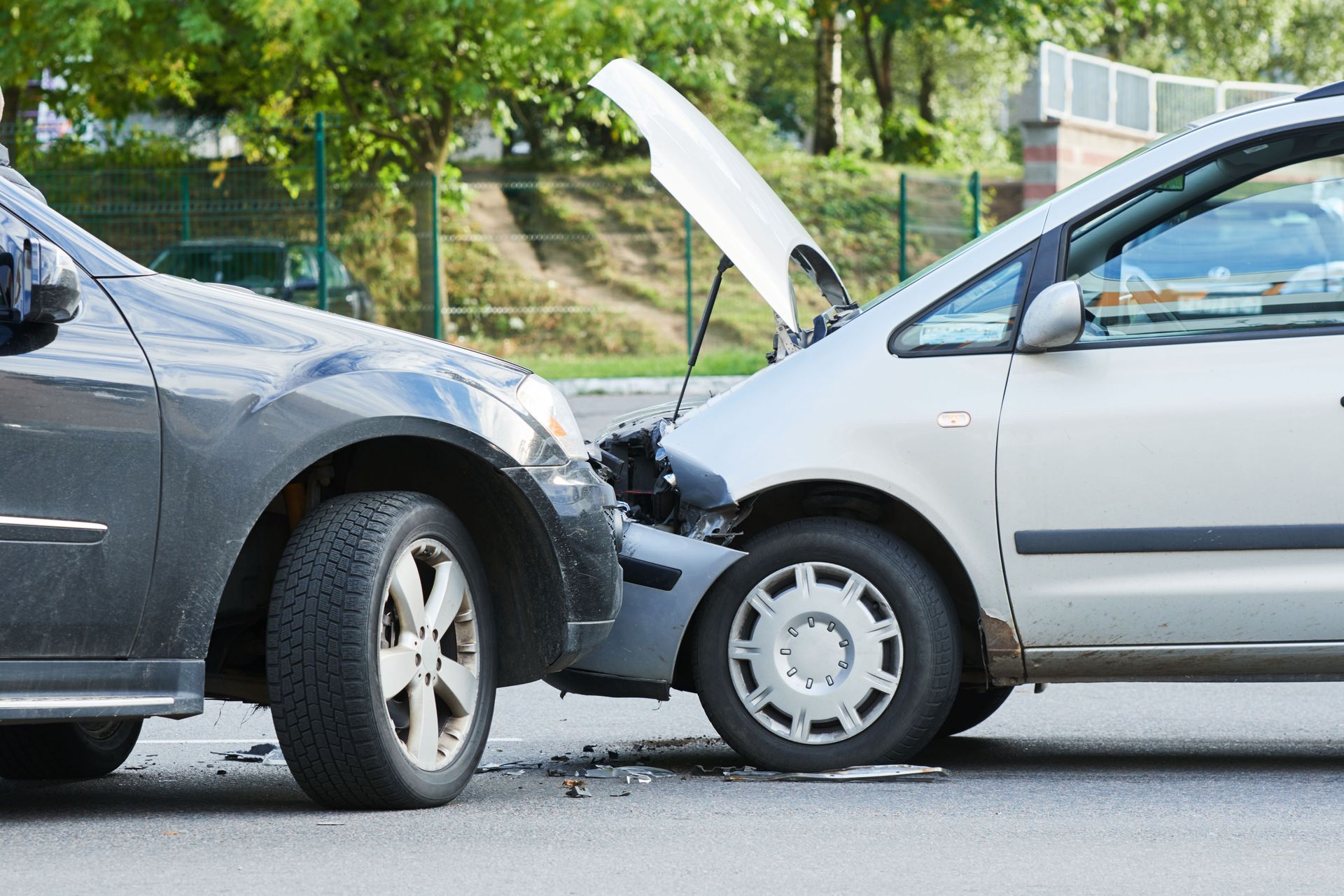
Getting into a fender bender or a major collision is an incredibly stressful experience, but watching your beloved Subaru suffer structural damage adds a unique layer of heartbreak. Whether your vehicle is a dependable daily commuter or a highly engineered performance model like the Subaru Impreza WRX or BRZ, the road to post-accident recovery requires a specialized Subaru auto body repair workflow rather than a superficial quick fix. By mastering what a complete, professional repair process looks like, you can confidently navigate your insurance claims, select the right specialized technicians, and ensure your investment is fully protected.
Understanding the Severity of the Damage
Inspecting the Visible Damages
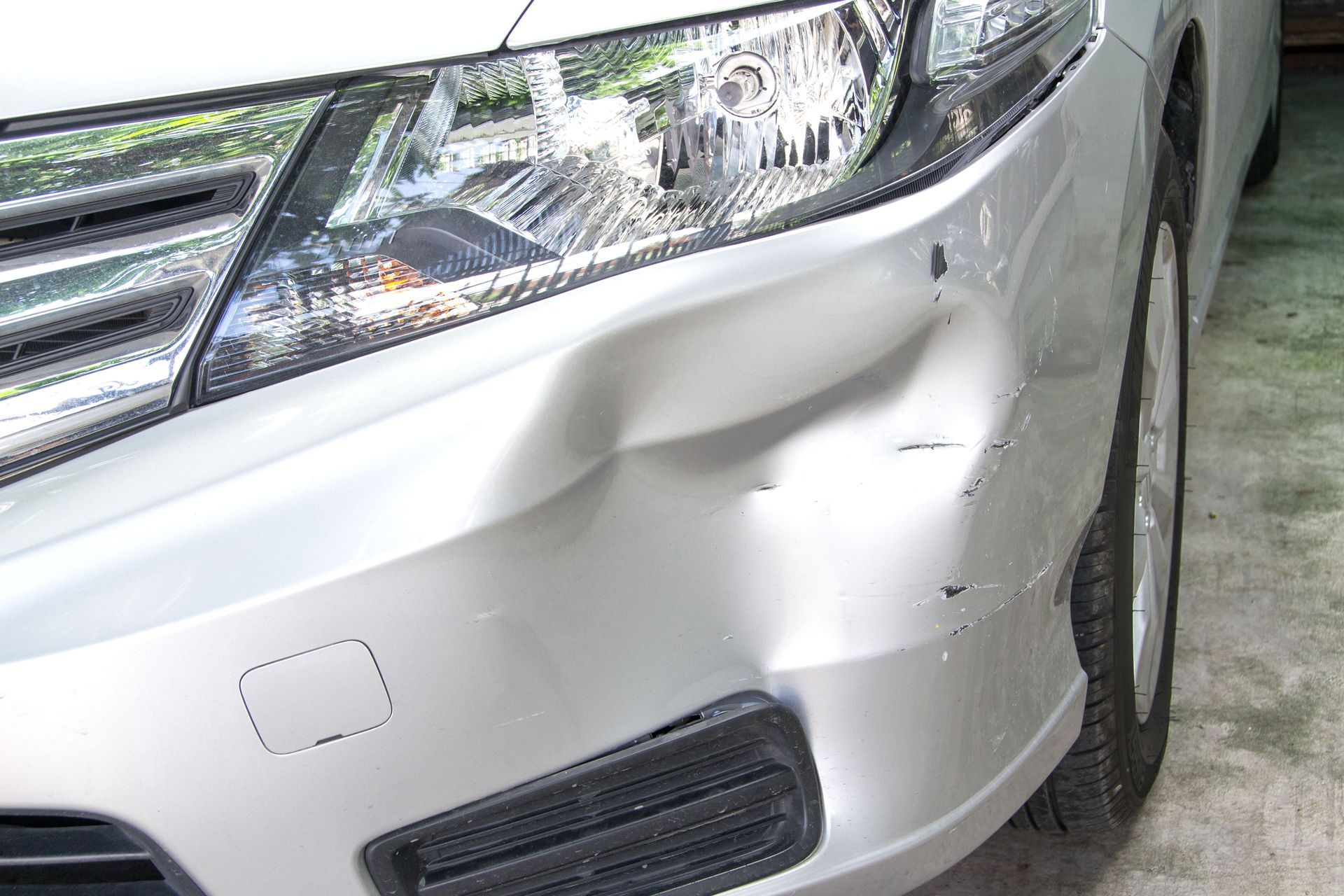
After a collision, the first step to restoring your Subaru is evaluating the visible damages that have been inflicted on the vehicle. Carefully examine the exterior of the car for any dents, scratches, or obvious damage to the body panels. It's essential to make a note of any broken lights or mirrors, as these are critical for road safety.
If your Subaru has a sunroof or panoramic roof, check for any cracks or issues caused by the impact of the collision. Keeping a comprehensive list of damages will help you communicate more effectively with the specialists handling your Subaru auto body repair.
Evaluating the Internal Damages
Visible damages are just part of the equation; internal damages can be more insidious and affect the performance and safety of your vehicle. Begin by checking under the hood for any obvious signs of damage to the engine or related components. Listen for unusual noises when the engine is running, which may indicate more profound mechanical issues.
Internal systems like the transmission, exhaust, and electrical components should also be assessed by a qualified mechanic to ensure comprehensive understanding. Addressing both external and internal damages is crucial for the complete restoration of your Subaru.
Consulting With a Professional Mechanic
Once you have an initial understanding of the damages, the next vital step is to consult with a professional mechanic. An experienced mechanic can provide a detailed assessment that includes both visible and hidden damages. Mechanics have access to specialized tools and diagnostic technologies that can unearth issues not easily spotted by an untrained eye.
According to Car and Driver, some Subaru models like the Subaru Impreza WRX and the Subaru BRZ are exceptionally engineered, with those two specific models regarded as top models between 1983 and 2024, and their complexity necessitates expert evaluation. Choosing a team certified in Subaru auto body repair that is familiar with Subaru vehicles can make a significant difference in the quality of repairs.
Estimating the Repair Costs
Once all damages have been thoroughly assessed, obtaining an accurate estimate for the repair costs is crucial. Repair costs can vary significantly depending on the severity of the damage and whether genuine Subaru parts are used. Breaking down the estimate by parts and labor will give you a clearer picture of where your money is going.
Remember that cheaper alternatives might cost you more in the long run, particularly if they compromise the vehicle's performance or safety. A realistic estimate from an authorized Subaru auto body repair facility will allow you to plan financially for the restoration process effectively.
Body Repairs and Restorations
Repairing and Replacing Body Panels
Body panel repair and replacement are fundamental steps in any comprehensive Subaru auto body repair initiative designed to restore your Subaru to its previous state before the collision. Depending on the extent of the damage, panels may either be repaired or entirely replaced if they are no longer structurally sound.
Ensure that any replaced panels are genuine Subaru parts to maintain the integrity of your vehicle's design. The precision of these repairs impacts the vehicle's aerodynamics, efficiency, and overall aesthetic appeal. Skilled technicians will meticulously align and fix the panels, preserving the original appearance of your Subaru.
Fixing Dents and Scratches
Dents and scratches may seem cosmetic, but addressing them is crucial for rust prevention and aesthetic restoration. Techniques such as paintless dent repair can be effective for minor blemishes without needing a full repaint.
Professional body shops have the expertise to blend new paint seamlessly with existing layers, ensuring no mismatch is visible. Often overlooked, properly executed Subaru auto body repair for dents and scratches restores the pristine look of your Subaru while safeguarding its long-term durability and preventing corrosion that could undermine the structural integrity of metal components.
Restoring the Paint Job
Restoring your Subaru's paint job is an art form that involves matching color tones and finishes precisely. First, any underlying damages must be repaired to provide a smooth base for new paint application. Then, professionals use computerized color matching to apply paint that flawlessly integrates with the vehicle's original hue. High-quality clear coatings are applied to protect the paint and enhance glossiness. A well-executed paint restoration breathes new life into your vehicle, enhancing both its aesthetic appeal and resale value.
Aligning the Frame
Ensuring the frame of your vehicle is perfectly aligned is essential for both safety and proper driving dynamics. Alignment issues can lead to uneven tire wear, poor handling, and compromised structural integrity. Skilled technicians use sophisticated alignment machines to return the frame to its manufacturer specifications.
The process may involve realigning suspension components and verifying that all body measurements are accurate. Proper frame alignment is a vital component of advanced Subaru auto body repair, serving as a significant factor in maintaining the safety and performance of your Subaru, especially models renowned for handling prowess, such as the WRX and BRZ.
Mechanical and Electrical Repairs
Assessing Engine and Transmission Damages
Collisions can do significant damage to the engine and transmission, two critical components of your Subaru's performance and longevity. A comprehensive examination involves computerized diagnostics to check for any fault codes or irregularities. Mechanics will inspect fluid levels, belts, and connections, ensuring all are intact and functioning correctly. Repairs may involve replacing damaged components and recalibrating systems to restore peak performance. Addressing engine and transmission issues is fundamental to maintaining the quality and reliability of your Subaru.
Repairing Suspension and Steering Systems
The suspension and steering systems are often affected by collisions, impacting the handling and ride comfort of your vehicle. Professionals will check struts, control arms, and steering linkages for any signs of damage or misalignment. Ensuring these elements are correctly calibrated is vital for safe driving dynamics and maintaining ride comfort. Safety is a priority, and repairing or replacing worn components restores the vehicle's original handling characteristics. Delving into these mechanical systems provides reassurance that your Subaru will perform safely and efficiently post-repair.
Evaluating Brake and Exhaust Systems
Collisions can compromise critical systems such as brakes and exhaust, necessitating a careful evaluation to ensure they function correctly. Technicians will check brake lines, pads, and rotors for any signs of damage or wear that could hinder their performance. Similarly, the exhaust system will be inspected for leaks or displaced components that affect emissions and engine efficiency. Addressing brake and exhaust systems is essential to maintain the safety and environmental integrity of your vehicle. These repairs ensure that your Subaru adheres to performance expectations and regulations.
Addressing Electrical Component Issues
Electrical components often take a hit during collisions, affecting everything from dashboard functionality to lighting. A thorough inspection will include diagnostic testing of electrical systems such as the alternator, battery, and starter. Wiring harnesses and fuses may need repair or replacement if they have sustained physical damage. Restoring these components ensures that your Subaru remains fully operational and electronically sound. Addressing electrical issues supports the seamless integration of various systems, essential for overall vehicular functionality.
Restoring your Subaru to its former glory after a collision is a meticulous process that requires careful planning and execution. By following these steps, you can ensure that your vehicle is not only aesthetically pleasing but also safe and reliable on the road. Prioritizing quality and choosing certified Subaru auto body repair professionals will help maintain your Subaru's performance and protect your investment over time. Contact North Smithfield Auto Body Inc today to work with certified professionals you can rely on.




Share On: